
When you work with a custom cat tree manufacturer, you gain access to design flexibility that off-the-shelf products simply cannot offer. Today’s pet owners demand personalized solutions that fit their home décor, space constraints, and their cat’s specific behavior patterns.
A custom cat tree manufacturer can adapt everything from wood species selection to platform heights, creating a piece of pet furniture that genuinely matches your space and lifestyle. Whether you’re sourcing for a boutique retailer or designing your own signature collection, understanding your design options is essential.
What is Custom Cat Tree Design?
Custom cat tree design is the process of tailoring a cat tree’s dimensions, materials, layout, and aesthetic to meet specific customer requirements. Unlike mass-produced alternatives, a custom cat tree manufacturer works directly with you to incorporate unique features—such as adjustable platform widths, custom finish colors, or integrated scratching surfaces in precise locations.
Custom design typically begins with your specifications: room dimensions, ceiling height, desired aesthetic style (modern, rustic, minimalist), and functional requirements (number of cats, climbing patterns, sleeping preferences). The manufacturer then translates these into engineering drawings, material selections, and production-ready designs.
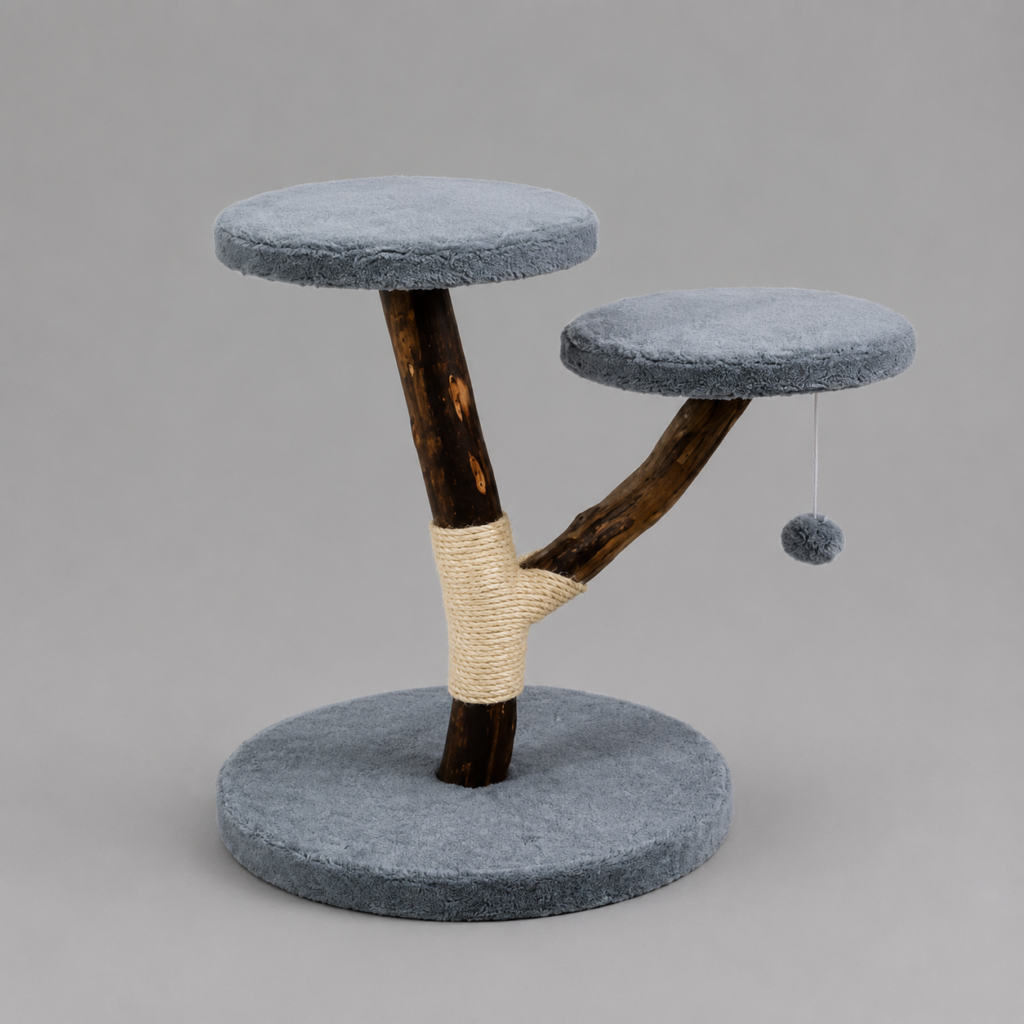
Cat Tree Design Customization Options: Key Parameters
When working with a custom cat tree manufacturer, you’ll encounter these primary customization parameters:
| Design Parameter | Standard Range | Custom Options | Impact on Cost |
|---|---|---|---|
| Height | 36–72 inches | 24–96 inches (floor to ceiling) | +5–15% per 12 inches beyond standard |
| Base Footprint | 24×24 to 36×36 inches | 18×18 to 48×48 inches (custom room layouts) | +8–12% for oversized bases |
| Platform Diameter | 8–14 inches | 6–18 inches (per platform) | +3–8% variation |
| Wood Species | Pine, MDF | 5-wood-species-premium-pet-furniture options + hybrid combinations | +20–60% depending on species |
| Finish Type | Standard stain, carpet | pet-safe-wood-finish-guide (non-toxic, durable polyurethane) | +10–25% for premium finishes |
| Scratching Surface | Sisal rope, carpet | Sisal, jute, corrugated cardboard, or combination zones | +5–10% per zone |
| Platform Configuration | 4–6 standard platforms | 3–12 platforms (custom spacing and angles) | +10–20% per additional platform |
| Integrated Features | Hammocks, caves | Hammocks, enclosed hideaways, climbing tunnels, perches | +15–50% per feature |
How to Choose the Right Custom Cat Tree Design
Selecting the correct design options requires balancing three key factors: space, functionality, and aesthetics. Here’s how to approach each decision systematically.
Step 1: Measure Your Space and Plan Integration
Before any custom design work begins, map your intended location precisely. Measure floor space, ceiling height, and proximity to windows (cats love natural light). Note any obstacles like ceiling fans, shelving, or architectural features that might affect platform placement.
A custom cat tree manufacturer uses these measurements to optimize the design. For example, if your ceiling is 8.5 feet with a ceiling fan 3 feet from the intended location, the manufacturer will adjust the maximum height accordingly, placing upper platforms in the clear zone. This prevents safety hazards while maintaining functionality.
Step 2: Select Your Wood Species Based on Durability and Aesthetics
The wood species you choose defines both durability and appearance. solid-wood-vs-mdf-pet-furniture explains the differences between solid wood and engineered alternatives. For custom designs:
- Hardwood options (oak, maple, walnut) offer superior durability and premium aesthetics, ideal for high-traffic homes with multiple cats or heavy breeds. These work best when the customer values longevity (8+ years) over initial cost.
- Softwood options (pine) provide a warm, natural look at moderate cost, suitable for 4–6 year lifespans or lighter-use households.
- Hybrid designs combine hardwood bases with softwood platforms, balancing durability and budget.
Step 3: Configure Platforms for Your Cat’s Behavior
Observe your cat’s climbing and resting patterns. Some cats prefer high perches for surveying territory; others favor enclosed spaces. A custom cat tree manufacturer can design accordingly:
- Multi-level vertical design: 6–8 platforms stacked for active climbers
- Horizontal spread: Fewer platforms, wider spacing for cats that prefer exploration
- Enclosed hideaway focus: Deep caves, hammocks, and covered perches for anxious or shy cats
Custom Cat Tree Design Challenges: What Manufacturers Solve
Pet furniture manufacturers encounter recurring design challenges when working with custom specifications. Understanding these helps you avoid costly errors.
What happens if platforms are spaced too far apart?
Older cats or those with mobility issues cannot safely navigate. The safe spacing rule: no more than 12 inches vertically between platforms for senior cats, 18 inches for younger, agile cats. A custom cat tree manufacturer tests spacing during the design phase to ensure every platform is safely reachable.
How do you prevent wobbling in tall custom designs?
Tall custom cat trees (72+ inches) require reinforced base engineering and internal cross-bracing. Amateur designs often fail because the manufacturer underestimates weight distribution. Professional manufacturers use CAD analysis and stress-testing on prototypes before production. Weight capacity should exceed 150 lbs for safety margin.
Can custom finishes withstand repeated scratching?
Yes, but material selection matters. pet-safe-wood-finish-guide covers non-toxic finishes that resist claw damage. Polyurethane-based finishes outperform simple stains by 3–5 years. Sisal rope scratching surfaces should be replaceable for long-term maintenance.
Custom Cat Tree Design vs. Standard Designs: When Customization Pays Off
| Aspect | Standard Design | Custom Design |
|---|---|---|
| Design Timeline | Off-the-shelf, immediate | 2–4 weeks (design to approval) |
| Space Fit | One-size-fits-most (often oversized or undersized) | Precisely tailored to your space |
| Material Options | Limited (typically pine + carpet) | Full range (5-wood-species-premium-pet-furniture, finishes, rope types) |
| Feature Integration | Fixed configuration | Hammocks, caves, perches positioned for YOUR cat’s habits |
| Aesthetic Match | Generic appearance | Matches your home décor style |
| Cost | $150–$400 | $400–$1,200+ (depending on complexity) |
| ROI Timeline | 2–3 years (wear-out) | 6–10 years (premium durability) |
Custom designs make financial sense when you’re purchasing for multiple units (retail orders), designing a signature product for your brand, or investing in a long-term pet furniture piece for a high-traffic household.
How a Custom Cat Tree Manufacturer Solves Design Challenges
Working with an experienced custom cat tree manufacturer eliminates guesswork. Here’s what professional manufacturers bring to the process:
1. Engineering Review: CAD drawings are stress-tested for weight distribution, platform stability, and safety margins before any material is cut. This prevents costly prototype failures.
2. Material Expertise: Manufacturers understand wood movement, finish durability, and rope degradation patterns. They recommend combinations that maximize lifespan based on your use case.
3. Production Feasibility: Your dream design might be structurally sound but impractical to manufacture. Experienced manufacturers offer alternatives that preserve your vision while maintaining production efficiency.
4. Quality Assurance: pet-furniture-quality-inspection and pet-furniture-durability-testing protocols ensure every custom unit meets specifications. Professional manufacturers test 5–10% of production batches for stability and finish quality.
5. Supply Chain Logistics: pet-furniture-shipping-cost and pet-furniture-incoterms matter when custom units are large or fragile. Manufacturers pre-coordinate logistics, preventing damage during transport.
If you’re sourcing custom cat tree designs for your business or designing a one-off piece for your home, starting with a consultation is the next step. We work with leading cat tree manufacturers to ensure every design meets both your vision and proven durability standards.
OEM/ODM Support
Need a custom cat tree production plan?
Send reference photos, target dimensions, material preferences, packaging needs, and market direction. We can review feasibility, sampling, MOQ, and export packaging before production. Request OEM QuoteRelated Product Lines
Explore wooden cat furniture we can manufacture.
Related Buyer Guides