
Most pet furniture factories set their MOQ at 300–500 units per design. That works for established brands with proven bestsellers — but not for new brands testing their first product, Amazon sellers validating a niche, or retailers adding pet furniture to an existing lineup.
Small batch pet furniture OEM fills this gap. It lets you order 50–100 units per design, test real market response, and scale up only after you have sales data.
Why Small Batch OEM Makes Sense for New Pet Furniture Brands
Reduce financial risk. With the U.S. pet industry projected to exceed $207 billion (APPA), new brands are entering the market constantly — but not all will succeed. A 500-unit order of solid wood cat houses at $35–$60 per unit ties up $17,500–$30,000 in inventory before you’ve sold a single piece. A 50-unit test run keeps that number under $3,000.
Validate before scaling. Product photos and market research can only tell you so much. Small batch orders let you test actual sell-through rates, return rates, and customer feedback on quality, size, and packaging.
Iterate on design. Your first version is rarely your best. Small batches give you room to adjust dimensions, materials, or finishes between orders — without sitting on hundreds of unsold V1 units.
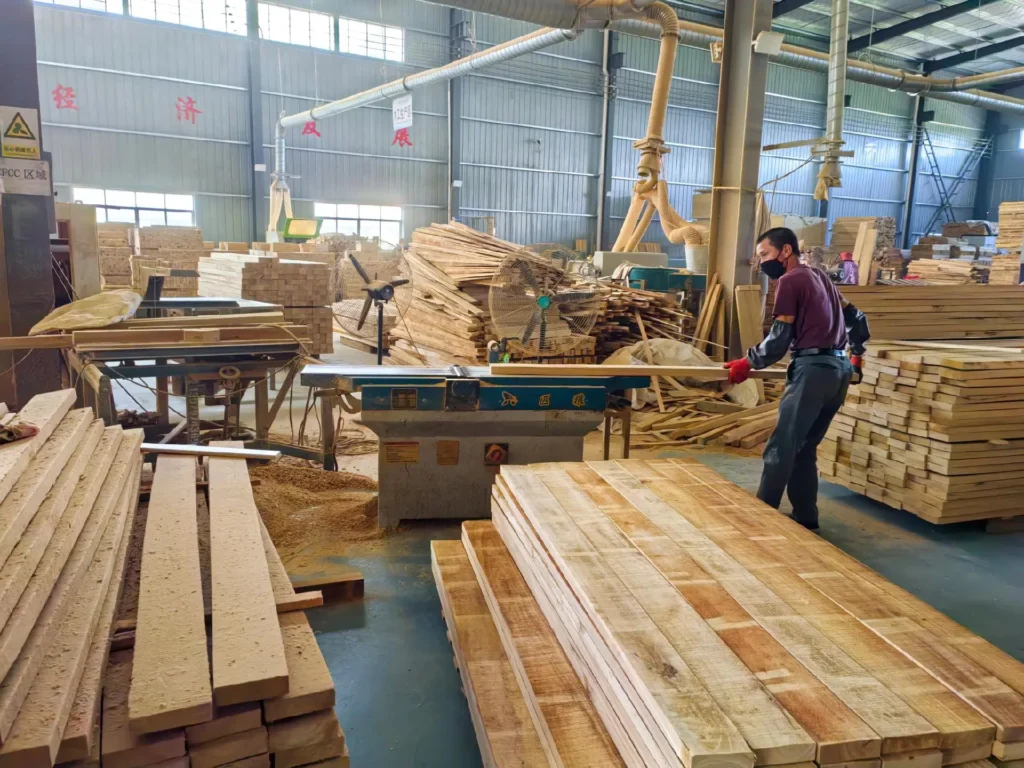
What Small Batch Pet Furniture OEM Typically Looks Like
| Parameter | Standard OEM | Small Batch OEM |
|---|---|---|
| MOQ per design | 300–500 units | 50–100 units |
| Unit price | Lower (volume discount) | 15–30% higher |
| Lead time | 30–45 days | 20–30 days |
| Custom packaging | Included | Usually available |
| Custom design changes | Mold/jig cost amortized | Higher per-unit tooling cost |
| Best for | Proven designs, reorders | New products, market testing |
The unit price difference is real — smaller runs mean less production efficiency. But the total cash at risk is much lower, which matters more when you’re still finding product-market fit.
For a detailed breakdown of how MOQ affects pricing across different product categories, see our pet furniture OEM MOQ guide.
Which Products Work Best for Small Batch Orders
Not every pet furniture product is equally suited for small runs. The key factor is tooling complexity:
Good for small batch:
- Elevated dog beds (simple frame + panel construction)
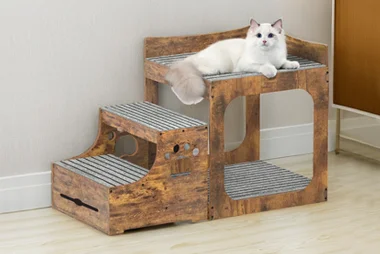
- Pet stairs and ramps (standardized dimensions)
- Basic cat houses (box construction, minimal curves)
- Litter box enclosures (rectangular builds)
Better at higher volume:
- Cat trees with multiple platforms (more jigs, more assembly steps)
- Products with custom-molded hardware or proprietary connectors
- Designs requiring specialized CNC patterns
The simpler the construction, the lower the per-unit setup cost — and the more practical a 50-unit order becomes.
How to Place a Small Batch Pet Furniture OEM Order
Step 1 — Choose existing designs or submit your own
The fastest path is to customize from an existing product catalog — change the wood species, finish color, or dimensions. This avoids new tooling costs entirely.
If you have a fully custom design, provide dimensioned drawings or reference photos. The factory will assess whether small batch production is feasible for your design complexity.
Step 2 — Request a sample first
Before committing to even 50 units, order 1–2 production samples. This costs $50–$150 per sample (depending on product size) and lets you check material quality, assembly precision, and finish consistency in person.
A sample also gives you professional product photos for your listing — start marketing before bulk inventory arrives. Learn more about the full OEM process and timeline.
Step 3 — Confirm specifications in writing
Lock down every detail before production:
- Wood species (5 common options for pet furniture)
- Finish type and color code
- Hardware specifications
- Packaging requirements (branded box, plain box, poly bag)
- Labeling and compliance marks
Step 4 — Production and quality check
Small batch runs typically complete in 20–30 days. Request in-process photos at key stages — after cutting, after assembly, after finishing — rather than only seeing the final packed product.
Small Batch OEM Pricing: What Affects Your Unit Cost
| Cost Factor | Impact on Small Batch Price |
|---|---|
| Design complexity | Higher complexity = bigger gap vs. bulk pricing |
| Wood species | Hardwoods (walnut, cherry) cost more than pine or rubber wood |
| Finish type | Water-based paint < lacquer < hand-rubbed oil finish |
| Custom packaging | Branded boxes add $1.50–$3.00/unit |
| Compliance testing | FSC certification from the Forest Stewardship Council, safety testing costs are fixed regardless of batch size |
Key insight: Fixed costs (tooling, compliance, packaging design) don’t change with order size. At 50 units, those fixed costs are spread across fewer pieces, raising the per-unit price. At 200+ units, the gap narrows significantly.
When to Scale Up from Small Batch
Small batch is a starting point, not a long-term strategy. Move to standard MOQ orders when:
- Your sell-through rate exceeds 70% within 60 days — demand is validated
- Reorder frequency hits 3+ times for the same design — it’s a proven winner
- Your cash flow supports larger inventory — you can hold 300+ units without strain
- You’ve finalized the design — no more tweaks needed between orders
The transition from small batch to standard OEM should feel natural. If you’re reordering the same product for the third time at 100 units, switching to 300 units will drop your per-unit cost by 15–30% with no additional risk.
Getting Started
If you’re exploring small batch pet furniture OEM for the first time, start with one product, one finish, one size. Keep it simple, get it right, then expand.
Browse our product categories for designs that can be customized to your brand, or contact us to discuss your small batch requirements.
OEM/ODM Support
Need a custom cat tree production plan?
Send reference photos, target dimensions, material preferences, packaging needs, and market direction. We can review feasibility, sampling, MOQ, and export packaging before production. Request OEM QuoteRelated Product Lines
Explore wooden cat furniture we can manufacture.
Related Buyer Guides